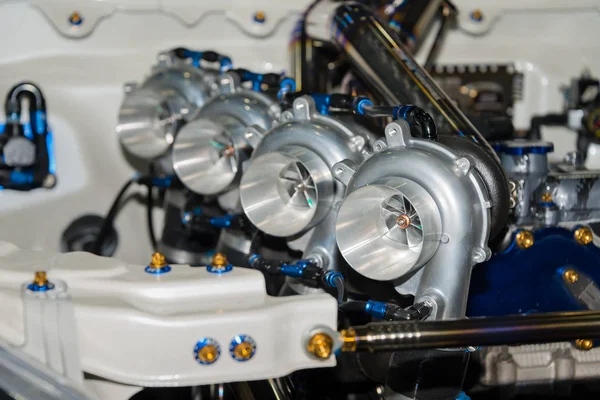
Taking care of your car engine does not always require expensive treatments or complicated tools. In fact, many simple and natural habits can significantly extend the life of your engine. Think of your engine like your body — if you treat it well, maintain it regularly, and avoid unnecessary stress, it will perform better and last longer.
In this article, we will explore practical, easy-to-follow, and natural ways to increase your car engine’s life. These tips are written in a simple and human-friendly way so anyone can understand and apply them.
1. Warm Up Your Engine Gently
One of the most overlooked habits is how you start your car. When you turn on your engine, especially in cold weather, the oil inside the engine is not yet fully circulated. Driving immediately at high speed can cause unnecessary wear.
Instead, let your engine idle for about 30 seconds to 1 minute before moving. You don’t need long warm-ups, but giving it a little time helps the oil spread properly and protects internal parts.
2. Drive Smoothly, Not Aggressively
Your driving style plays a huge role in engine health. Rapid acceleration, sudden braking, and high-speed driving put extra stress on engine components.
Try to:
- Accelerate slowly and steadily
- Maintain a consistent speed
- Avoid sudden stops
Smooth driving reduces friction and heat, which helps your engine stay healthy for a longer time.
3. Change Engine Oil Regularly
Engine oil is like blood for your car. It keeps everything moving smoothly and reduces friction between parts. Over time, oil becomes dirty and less effective.
Follow a regular oil change schedule based on your car’s manual. Even if the car seems fine, old oil can slowly damage the engine.
Also, always use good-quality oil suitable for your engine type. Clean oil means a clean and long-lasting engine.
4. Keep the Engine Clean
A clean engine runs better. Dirt, dust, and grease can build up around the engine and affect its performance.
You don’t need professional cleaning every time. You can:
- Wipe visible dirt gently
- Check for oil leaks
- Keep surrounding areas dust-free
A clean engine also helps you spot problems early, such as leaks or worn-out parts.
5. Check and Maintain Coolant Levels
The engine produces a lot of heat while running. Coolant helps control this heat and prevents overheating.
If coolant levels are low, your engine can overheat and get damaged. Make it a habit to:
- Check coolant levels regularly
- Refill when needed
- Use proper coolant, not just water
Overheating is one of the fastest ways to ruin an engine, so this step is very important.
6. Replace Air Filters on Time
Your engine needs clean air to function properly. The air filter prevents dust and dirt from entering the engine.
A dirty air filter reduces airflow and forces the engine to work harder. This can decrease performance and increase fuel consumption.
Check your air filter regularly and replace it when it becomes dirty. It is a small step but makes a big difference.
7. Avoid Overloading Your Car
Carrying too much weight puts extra pressure on the engine. Whether it’s passengers or heavy luggage, overloading makes the engine work harder than it should.
Try to:
- Avoid unnecessary weight
- Remove heavy items from the trunk when not needed
A lighter car means less stress on the engine and better fuel efficiency.
8. Use Good Quality Fuel
Fuel quality directly affects engine performance. Poor-quality fuel can leave deposits inside the engine and reduce its efficiency over time.
Always try to use fuel from trusted stations. Even though it may cost slightly more, it helps keep your engine clean and running smoothly.
Think of it as feeding your engine healthy food instead of junk.
9. Don’t Ignore Warning Signs
Your car often gives small warning signs before a big problem happens. Ignoring them can lead to serious engine damage.
Watch out for:
- Unusual noises
- Smoke from the exhaust
- Decreased performance
- Warning lights on the dashboard
If something feels wrong, get it checked early. Fixing a small issue is always easier and cheaper than repairing a major engine failure.
10. Drive Your Car Regularly
Leaving your car unused for long periods can also harm the engine. When a car sits idle, parts may dry out, and fluids may settle.
Try to start and drive your car at least once every few days. Even a short drive helps keep everything in working condition.
11. Maintain Proper Tire Pressure
This may sound unrelated, but tire pressure affects engine load. Under-inflated tires create more resistance, forcing the engine to work harder.
Check tire pressure regularly and keep it at recommended levels. This not only protects your engine but also improves fuel efficiency.
12. Follow Regular Maintenance Schedule
Every car comes with a recommended maintenance schedule. Following it is one of the simplest and most natural ways to extend engine life.
Regular servicing includes:
- Oil changes
- Filter replacements
- Inspection of parts
Skipping maintenance may save money in the short term, but it can cost much more later.
Conclusion
Increasing your car engine life naturally is all about simple habits and regular care. You don’t need expensive solutions or complicated techniques. By driving smoothly, maintaining your car properly, and paying attention to small details, you can keep your engine running strong for many years.
Remember, consistency is the key. Small efforts done regularly will always give better results than occasional big actions.
Treat your car with care, and it will take care of you in return.
FAQs
1. How often should I change my engine oil?
It depends on your car, but generally every 5,000 to 10,000 kilometers is recommended. Always check your car manual for exact guidance.
2. Is warming up the engine necessary in modern cars?
Yes, but only for a short time. About 30 seconds is enough to allow the oil to circulate properly.
3. Can bad fuel damage my engine?
Yes, low-quality fuel can cause deposits and reduce engine performance over time.
4. What happens if I ignore engine warning signs?
Ignoring warning signs can lead to serious engine damage and costly repairs.
5. Does driving style really affect engine life?
Absolutely. Smooth and careful driving reduces stress on the engine and helps it last longer.